


Our Programs
In the aftermath of Liberia’s prolonged civil conflict, the nation faces a critical shortage of well-equipped vocational and technical institutions. This gap has left many young Liberians, especially girls, without access to practical, career-focused education, perpetuating cycles of poverty and unemployment. According to recent studies, youth unemployment remains a significant challenge, with many young people lacking the skills needed for gainful employment.
The organization addresses this urgent need by establishing comprehensive vocational and technical high schools, beginning with the Bridging the Gap Vocational and Technical High School in Johnsonville. Our programs are designed to equip students with hands-on skills that directly align with Liberia’s economic development goals.


Why This Matters
Investing in vocational and technical education addresses multiple challenges: it reduces unemployment, fosters economic growth, and promotes gender equality. By equipping youth with practical skills, we not only improve individual livelihoods but also contribute to national development. Girls’ participation ensures inclusive progress, aligning with global goals for gender equity and sustainable development.
From Trade Skills to Thriving Enterprises
At Bridging the Gap in Education, we don’t just train job-seekers—we develop job creators. Every student is equipped with more than just vocational skills; they graduate with the mindset, knowledge, and confidence to launch their own businesses and contribute meaningfully to Liberia’s economy.
Our entrepreneurship training is embedded across all departments, ensuring that whether a student is studying tailoring, mechanics, IT, agriculture, or electronics; they also learn how to transform their skills into sustainable income-generating ventures.
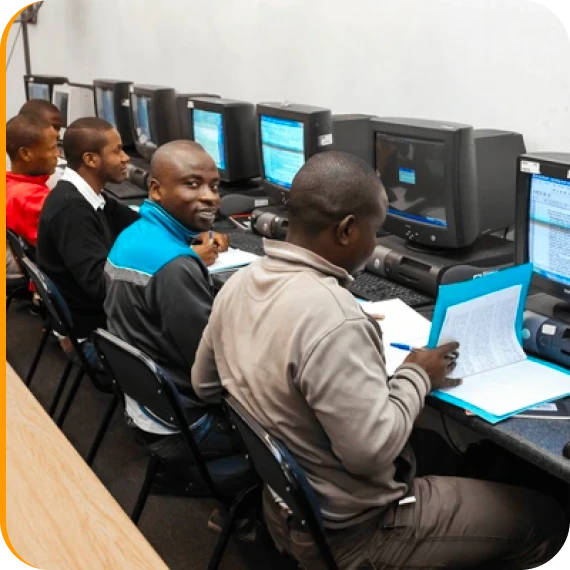
Business Development Training Includes:
- Entrepreneurship and Innovation
Students are encouraged to think creatively and identify opportunities in their local communities. They learn how to design business models that solve real-world problems using their vocational expertise. - Financial Literacy
We provide training in budgeting, saving, record-keeping, pricing, and basic accounting. This empowers students to manage personal finances and run profitable enterprises. - Marketing and Business Planning
Students learn to develop business plans, brand their services, and reach their target markets—whether in urban centers or rural towns. Practical sessions include local market research and customer engagement strategies. - Micro-Enterprise Development
Through project-based learning, students simulate running small businesses, gaining real-time experience in managing operations, supplies, and customer service. - Leadership and Management Skills
Our students are trained in goal setting, communication, teamwork, and problem-solving—soft skills essential for any business owner or workplace leader.
By the time they graduate, students—especially girls who may face greater barriers to employment—are prepared to start their own tailoring shop, carpentry business, farming enterprise, mobile repair service, or catering company. They are not waiting for opportunity—they’re building it.
This entrepreneurial approach turns education into enterprise and positions each graduate as a potential employer, not just an employee. It’s how we grow livelihoods, strengthen families, and ignite Liberia’s local economies from the ground up.
Community Engagement and Industry Partnership
At Bridging the Gap in Education, we believe that education must be connected to opportunity. That’s why each of our vocational high schools is deeply embedded within the local community and built in close collaboration with Liberian businesses, tradespeople, and industry leaders. Our approach ensures that training is not only relevant—but also directly connected to real economic pathways.
We create a dynamic pipeline from classroom to career, making sure students gain both the skills and the exposure they need to succeed in today’s competitive job market.
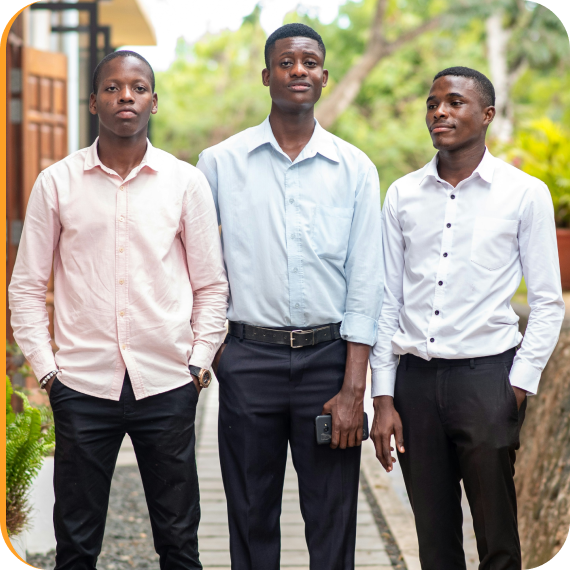
Our Partnerships Provide:
- Internships and Apprenticeships
Students gain hands-on experience working with local artisans, businesses, farms, and workshops. This real-world training builds confidence, sharpens skills, and strengthens job readiness. - Job Shadowing and Mentorship
By pairing students with experienced professionals, we foster personal growth, career exploration, and positive role modeling. This is especially powerful for girls, who benefit from seeing women thrive in trades where they’ve been historically underrepresented. - Opportunities for Post-Graduation Employment
Our industry partners often recruit directly from our graduate pool, recognizing the value of well-trained, motivated young professionals who understand local business needs.
This real-world exposure strengthens Liberia’s workforce, bridges the gap between training and employment, and ensures that what we teach is exactly what the economy demands. Moreover, it encourages local ownership of education, making our model more sustainable, culturally responsive, and community-driven.
Together with our partners, we are not just producing graduates—we are nurturing a generation of skilled, employable, and entrepreneurial youth who will drive Liberia’s development for years to come.
Education That Changes Everything
We’re not just rebuilding schools.
We’re rebuilding *futures*.
One student. One skill. One success story at a time.
In a country where war once shattered classrooms and closed the doors to learning, *Bridging the Gap in Education* is opening new ones—*doors to hope, healing, and hard-earned opportunity*.
By aligning education with economic empowerment, we are equipping a new generation of Liberians—especially girls—with the tools to become builders, leaders, innovators, and change-makers.
These aren’t just lessons.
They’re lifelines.
And they are transforming Liberia, one community at a time.